
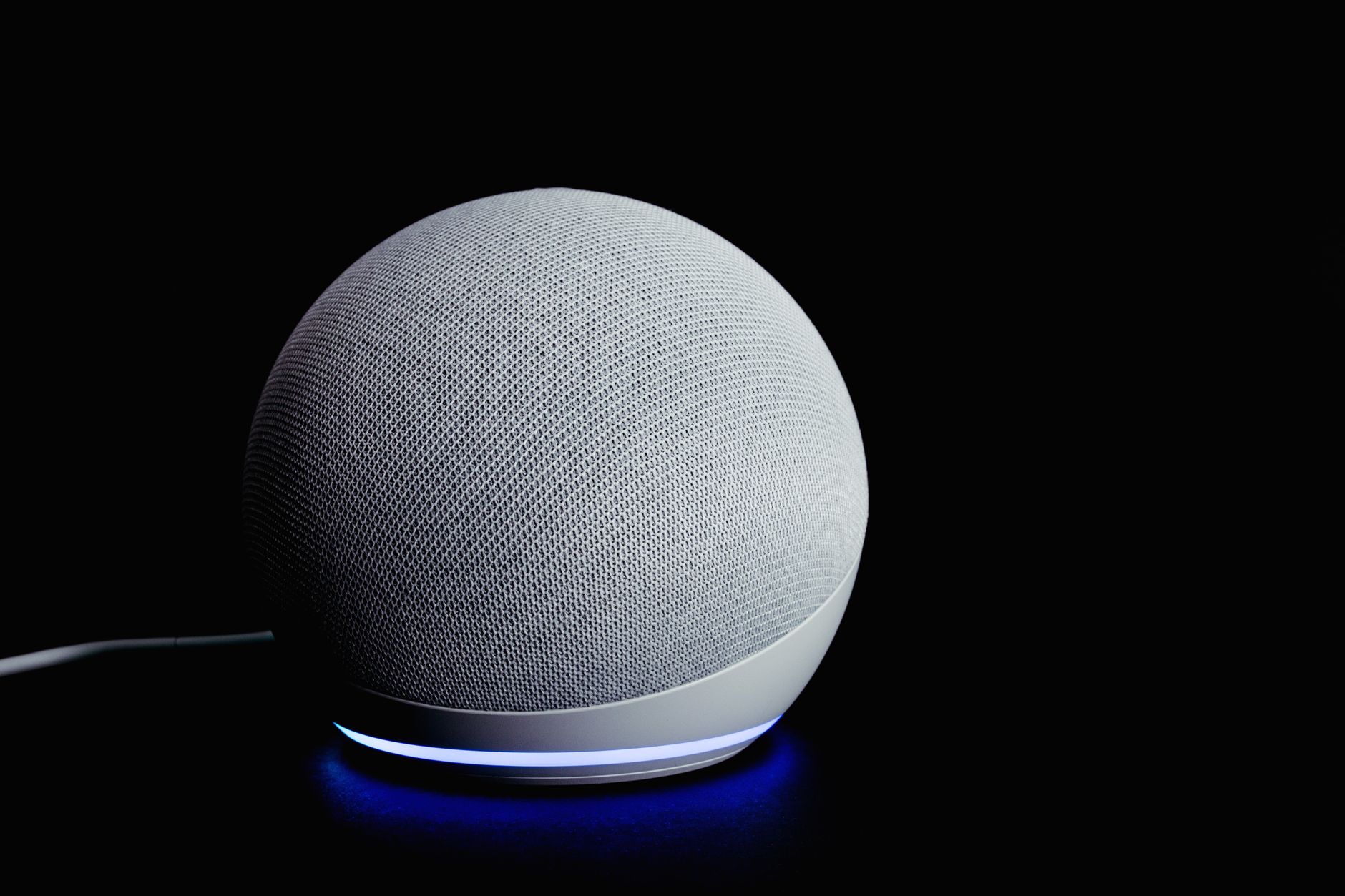
Real Small Business Success Stories: AI Voice Agent Results
Miller Dental Practice in Austin increased their appointment booking rate from 68% to 91% within 45 days of implementing their voice AI receptionist. Before automation, they missed 23 calls daily during lunch breaks and after hours. Now their AI appointment reminder calls have reduced no-shows from 18% to 7%, generating an additional $4,200 monthly revenue.
Precision Auto Repair saw even more dramatic results. Owner Sarah Chen reported that her phone booking automation system handles 85% of scheduling calls without human intervention. Customer wait time dropped from an average of 3.2 minutes to 12 seconds, and appointment accuracy improved by 34% as the system eliminates double-booking errors.
"The AI handles our Saturday morning rush perfectly. We book 40% more appointments now because customers can schedule immediately instead of calling back later." - Sarah Chen, Precision Auto Repair
Luxe Hair Studio's virtual receptionist for appointments manages their complex pricing structure across five stylists. Their booking rate increased 52% while reducing front desk workload by 6 hours weekly. The system automatically calculates service duration and stylist availability, something their previous manual process struggled with.
Industry-Specific Implementation Blueprints by Business Type
Medical and Dental Practices
Healthcare providers need automated phone answering service capabilities that handle HIPAA compliance and insurance verification. The implementation focuses on patient intake forms, appointment confirmations, and prescription refill requests. Setup typically requires 3-4 weeks due to compliance requirements.
Essential features include patient verification protocols, appointment type classification (consultation, cleaning, procedure), and integration with electronic health records. Voice AI for medical appointments must handle cancellation policies and reschedule patients within provider availability windows.
Service-Based Businesses (Salons, Repair, Cleaning)
These businesses benefit most from dynamic scheduling that accounts for service duration variance. Hair salons need systems that understand color treatments take longer than cuts, while repair services require emergency booking capabilities.
Implementation focuses on service menus, technician skill matching, and equipment availability. The AI scheduling assistant learns peak hours and automatically suggests optimal appointment times that maximize daily bookings.
Professional Services (Legal, Accounting, Consulting)
Professional firms require sophisticated intake processes that capture case details and urgency levels. The system routes consultations based on attorney specialization or accountant expertise areas.
Key setup elements include conflict checking, retainer requirement handling, and document collection scheduling. Implementation typically takes 2-3 weeks with emphasis on professional communication tone.
Step-by-Step Setup Process: From Zero to Live Agent
Week 1: Foundation Setup
Begin with calendar integration and business hour configuration. Import existing appointment data and set up service categories with accurate duration estimates. Configure staff availability patterns and holiday schedules. Test basic booking scenarios with internal team members.
Week 2: Advanced Configuration
Set up payment processing integration and deposit requirements for no-show protection. Configure customer communication preferences (text, email, voice confirmations). Establish cancellation policies and automatic rebooking protocols. Train the system on your specific service terminology and pricing structure.
Week 3: Testing and Refinement
Run parallel systems with human oversight on all bookings. Test edge cases like same-day appointments, group bookings, and special requests. Refine conversation flows based on actual customer interactions. Ensure proper handling of complex scenarios unique to your business.
Week 4: Full Deployment
Launch with monitoring protocols in place. Review daily booking reports and customer feedback. Make real-time adjustments to conversation scripts and booking logic. Document any issues for ongoing optimization.
Integration Challenges and Proven Solutions
Square integration often faces syncing delays during high-volume periods. Solution: Implement 30-second buffer windows between booking confirmations and calendar updates. This prevents double-booking while maintaining real-time accuracy.
Acuity Scheduling users frequently encounter timezone confusion with remote clients. Configure automatic timezone detection and verbal confirmation of appointment times in the customer's local time zone.
QuickBooks integration requires careful mapping of service categories to revenue accounts. Create a standardized naming convention that matches your accounting structure before setup begins. This prevents month-end reconciliation issues.
Calendly users report authentication token expiration problems. Set up automated token refresh protocols and backup authentication methods to maintain 24/7 operation continuity.
Measuring ROI: 30-90 Day Performance Metrics
Track these specific metrics to measure your AI voice agent for appointment booking small business implementation success:
- Booking Rate: Percentage of calls that result in scheduled appointments (target: 15-25% increase)
- Call Abandonment: Customers who hang up before completing booking (target: under 5%)
- No-Show Rate: Scheduled appointments with customer absence (target: 30-50% reduction)
- Revenue per Call: Average appointment value divided by total calls (target: 20-35% increase)
- Staff Hours Saved: Administrative time freed for revenue-generating activities (target: 10-15 hours weekly)
Benchmark against your pre-automation baseline for 30, 60, and 90-day comparisons. Most businesses see positive ROI within 45 days due to increased booking efficiency and reduced no-shows.
Cost Analysis: Investment vs Returns for Small Businesses
Initial setup costs range from $200-800 depending on integration complexity. Monthly operating costs typically run $150-400 for businesses booking under 1000 appointments monthly.
A dental practice booking 300 appointments monthly saves approximately $1,800 in receptionist wages while increasing revenue by $3,200 through improved booking rates and reduced no-shows. Net monthly benefit: $4,200.
Service businesses see similar returns. An auto repair shop with 150 monthly bookings saves $900 in administrative costs and gains $2,100 in additional revenue from after-hours booking capabilities. The 3.5x return on investment typically occurs within 60 days.
Professional service firms benefit from higher appointment values. A law firm booking 80 consultations monthly sees $6,500 additional revenue from improved booking conversion rates, easily justifying the $300 monthly system cost.
Small businesses implementing thoughtful AI voice agent systems consistently report improved customer satisfaction alongside financial gains. Success depends on choosing industry-appropriate features, following systematic implementation protocols, and maintaining focus on customer experience throughout the transition. Companies like LetsAdoptAi Voice provide specialized solutions that integrate seamlessly with existing small business workflows, making professional-grade appointment automation accessible without extensive technical requirements.